-
Divination by poem

I’m sending you a brief postcard from snowdrop time. Virginia has always had “midwinter spring, its own season,” to quote Four Quartets–a balmy few days in February–but never, that I can recall, so early in the month. Omens everywhere. Meanwhile, here’s what’s going down: Back to nudging my creative writers to try their hand (or…
-
Forbidden blog

January 25th Last night I finished Forbidden Notebook by Cuban-Italian writer Alba de Céspedes. Yes, I steal time for pleasure reading even on school nights, when I can. This novel was a Christmas gift from a good friend, and knowing zero about the writer (or translator Ann Goldstein), I had no sense of the world…
-
Teaching the poetic 50s, with sincere relief

And woe betide that poet whose life, when the gossip-columnist-reviewer goes to work on it, does not reveal fornications and adulteries, drug-addictions, alcoholism, and spells in mental homes. “What?” the reviewer exclaims, “when it appears your poems have cost you so little, when the writing of them has apparently disorganized your life hardly at all,…
-
Some indie books for your list

This week in the U.S. academic calendar involves a lot of reflection on and (less rewardingly) grading of student writing. I always sift and contemplate of my own year’s work, too, looking over what I’ve read and written, considering what I want to do next, or do better. I wasn’t surprised to see poet-blogger Ann…
-
Socially antisocial
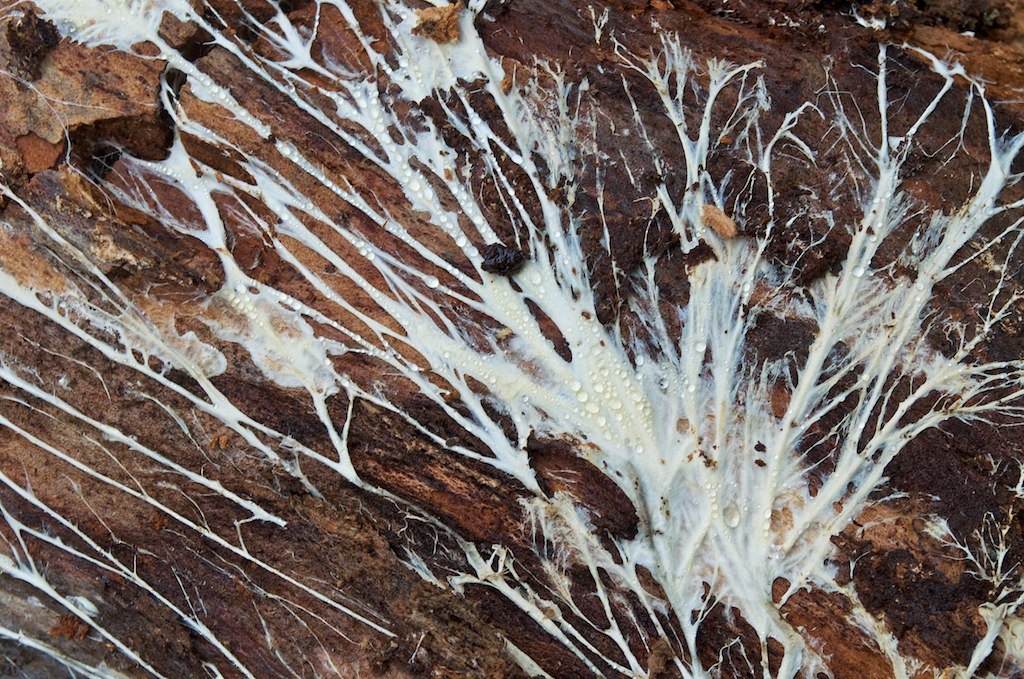
Desperate to get out of a work-rut yesterday, Chris and I saw Dream Scenario. It’s interesting but messy in a painful way so I can’t recommend it. The main character at first seems like a socially awkward middle-aged professor (ahem) who’s a little too desperate for ego strokes–which he sort of gets when he goes…
-
The view from lockdown
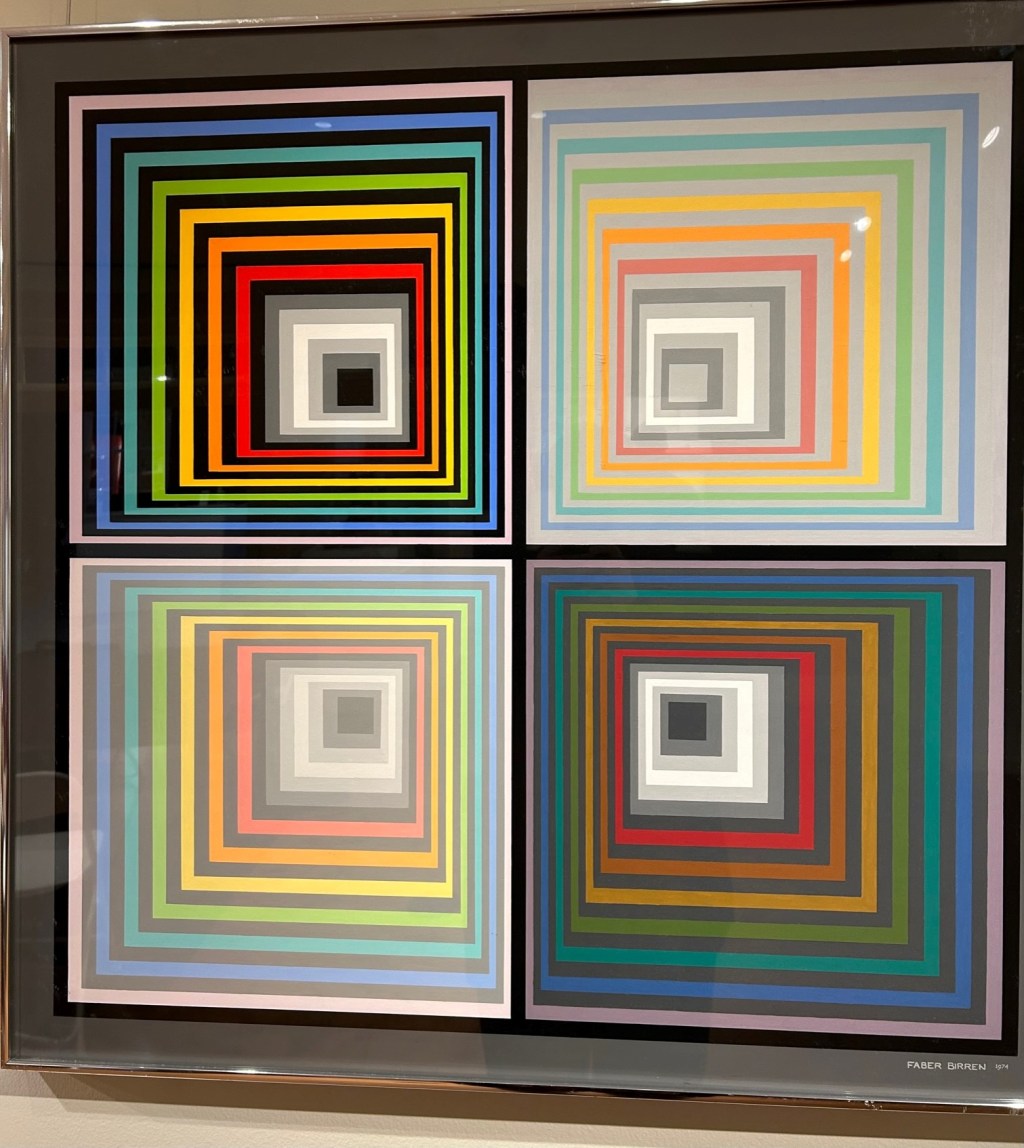
Around 3:45 pm on November 1st, a “shelter in place” instruction pinged in through our campus phone and email alert system. I was in my office about to head to class, but I checked with another colleague, also on the third floor of my old building and conferencing with a student. They had both received…
-
Alternate possible worlds of poetry scholarship
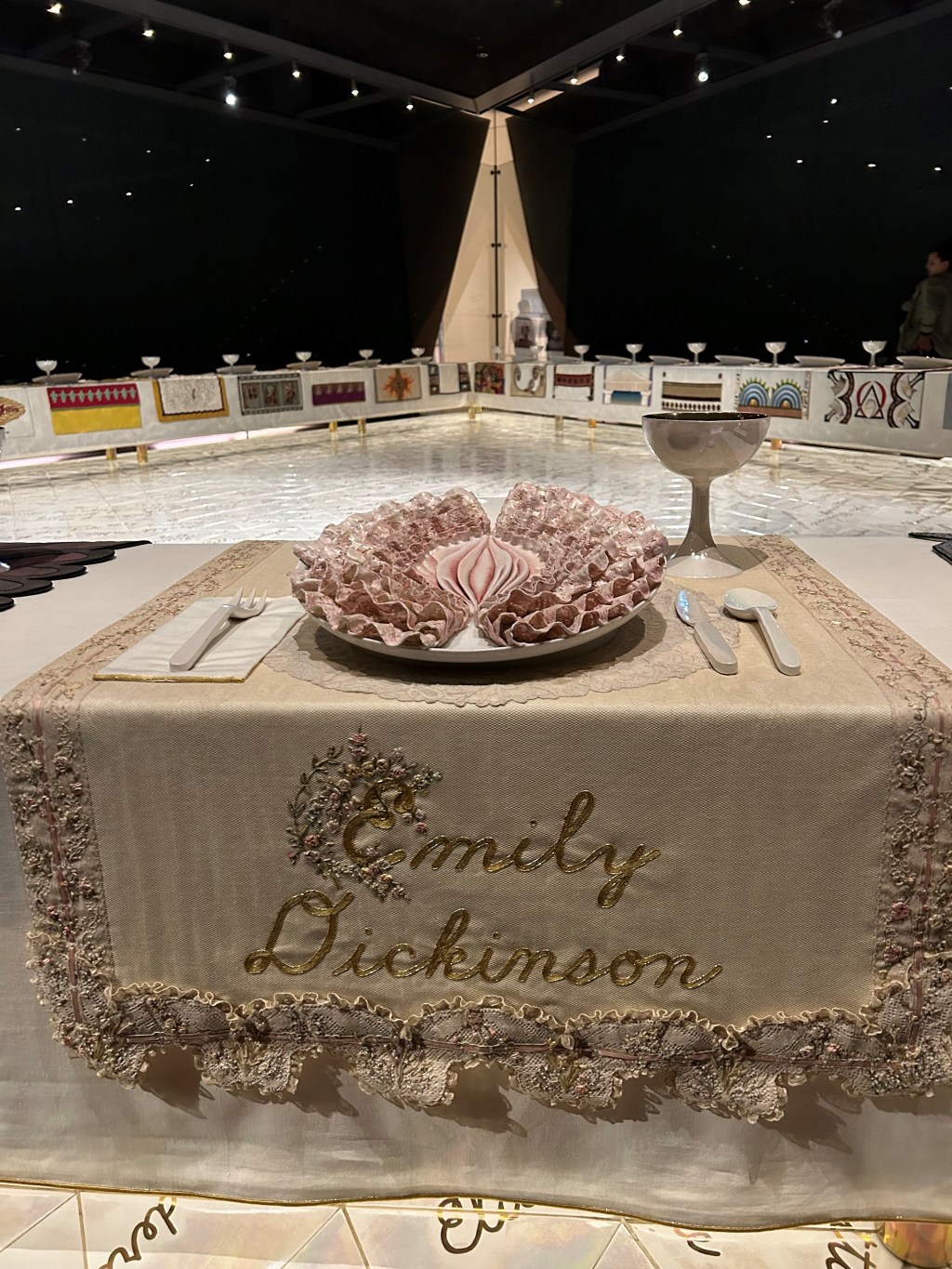
A quick postcard from Brooklyn and the annual Modernist Studies Association conference: hello! Having a great time! Wish you were here! The MSA was My Conference during the years in which I wrote my two wholly scholarly books. As a green assistant professor, I participated in a seminar on modernist women poets and made friends…
-
Arts and humanities in annular eclipse

John Guillory writes in Professing Criticism, a 2022 book, that literary criticism “originated millennia ago, achieved a maximal state of organization in the twentieth-century university, and now faces an uncertain future” (xv). He begins with a well-known story: nineteenth-century literary critics were self-trained journalists publishing in periodicals, while universities concentrated on philology–language instead of literature.…
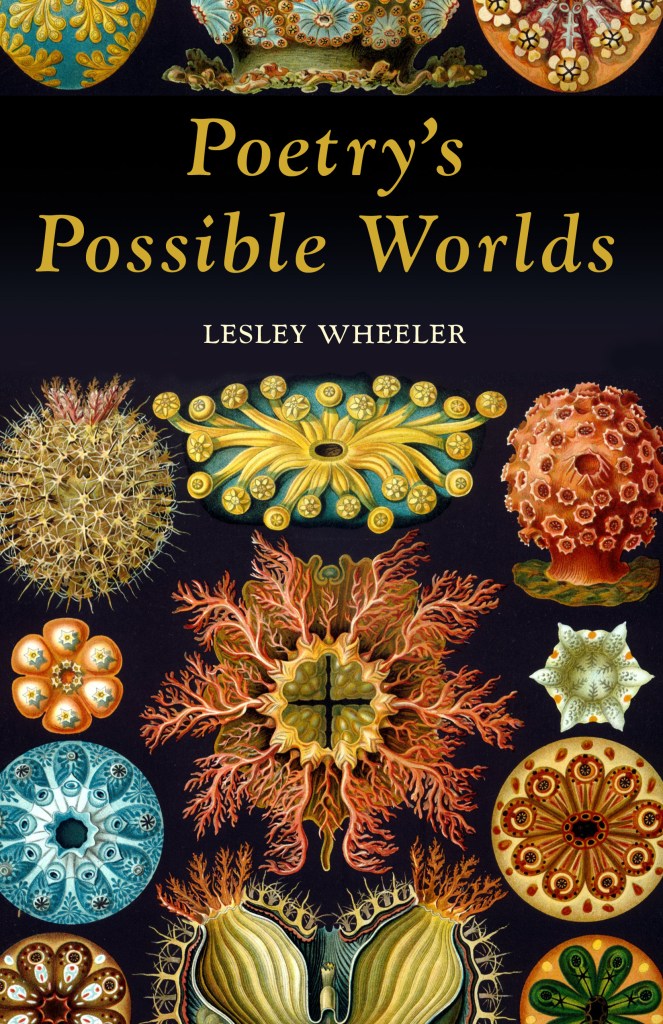


 LESLEY WHEELER