
The best thing this week: my poem “Sex Talk” was featured by Poetry Daily. Lots of friends and a few strangers sent or posted lovely notes about it. This poem came not long after my mother’s death, if I’m remembering right, as I worked through the grief and freedom that follow the death of a beloved, suffering, usually kind, sometimes hurtful parent. Even on the day of initial drafting, it felt like a big poem for me, but it was rejected many times before Mark Drew, after some judicious edits, accepted it for what turned out to be the last issue of The Gettysburg Review. Big thanks to him and everybody else who has cheered me on.
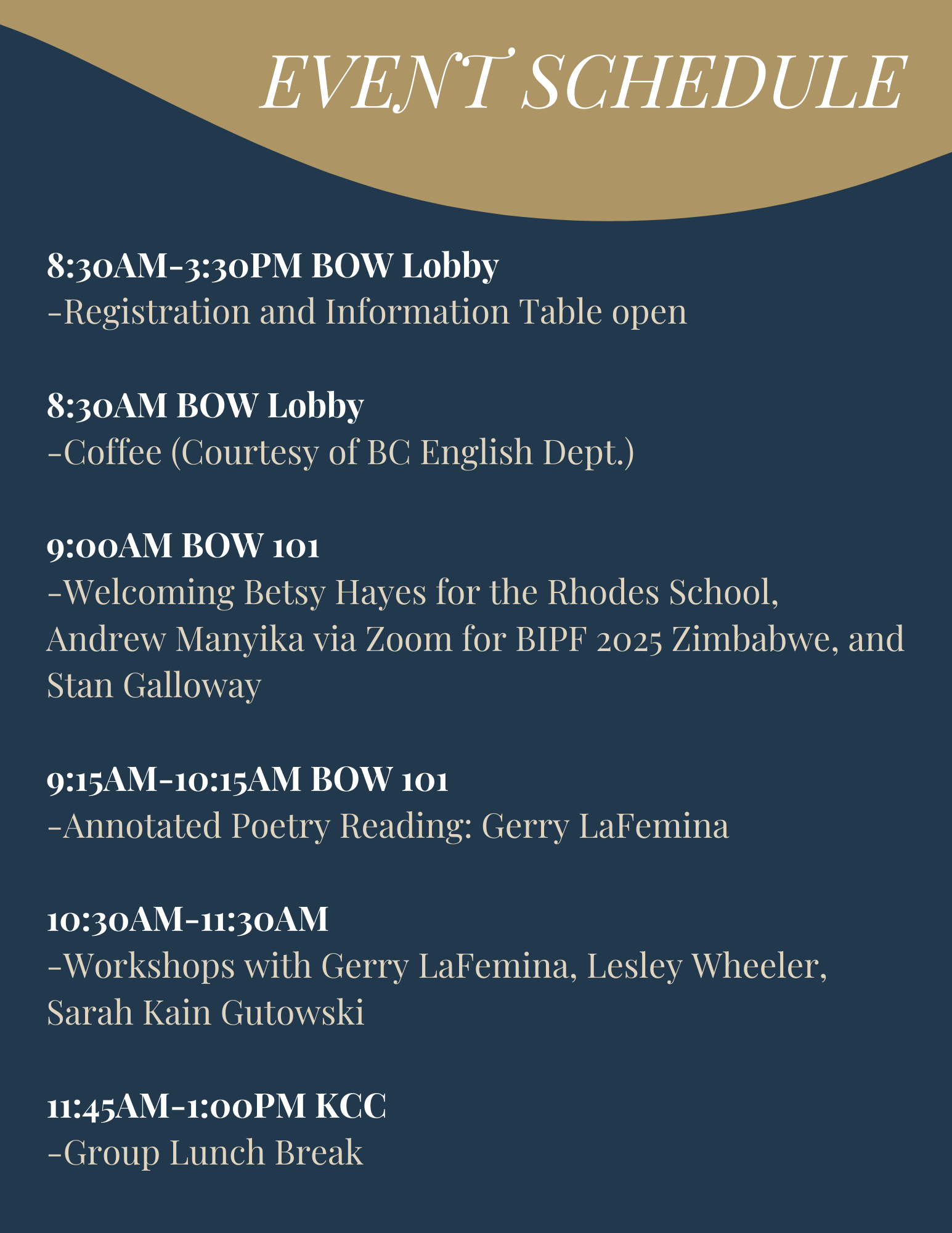
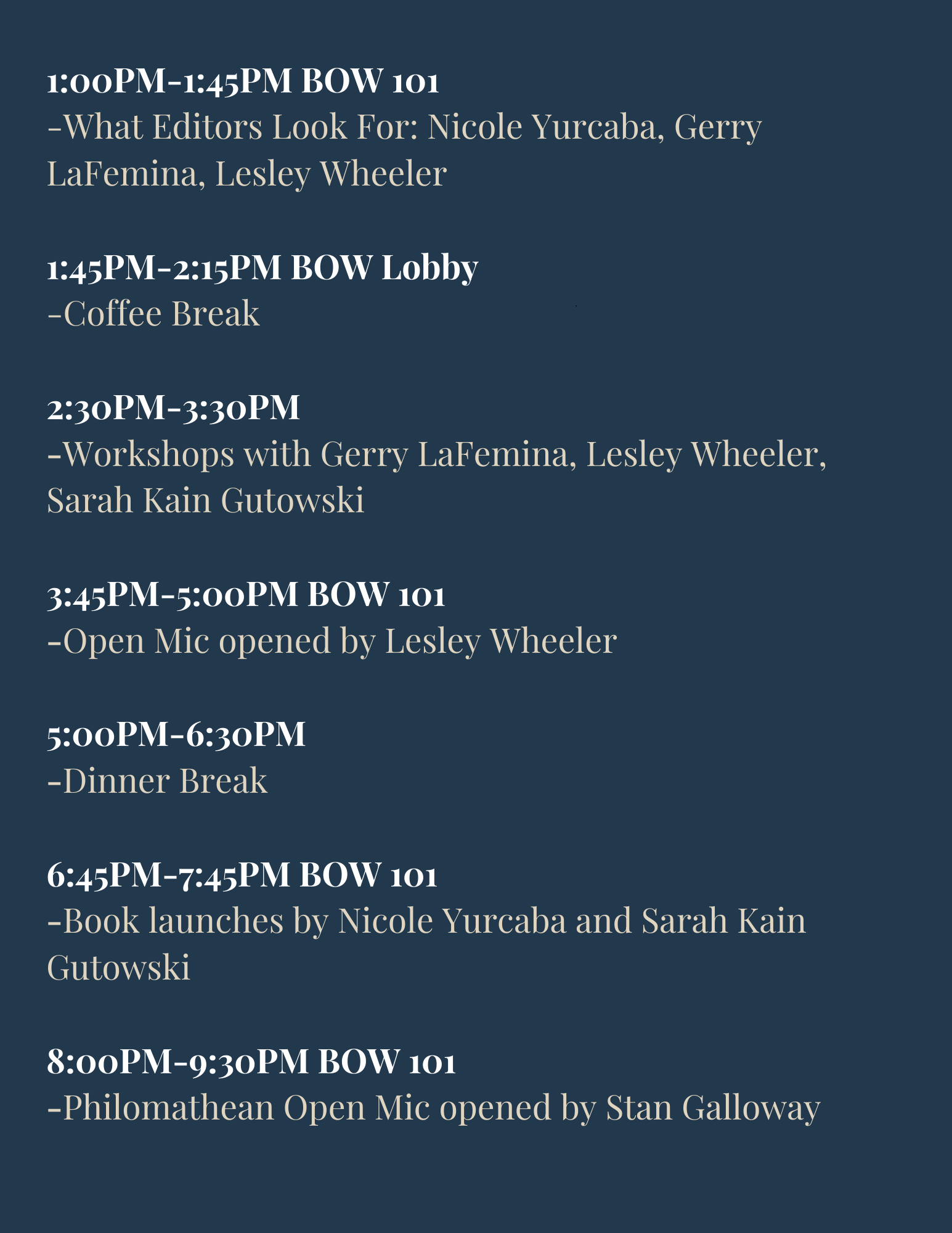
A full moon this morning and life is overbrimming. Academic break just started and I’m about to go on a five-day beach escape, hurrah! I’ve been working very hard at the day job, often also a nights and weekends job, and there have been lots of tempests in the department teapot (or this is the way I frame it to myself when I take a breath and try to reassert distance). When classes reconvene the rhythm will speed up again fast with a mix of good things (Jan Beatty will read here on March 6th!) and tricky things (more difficult meetings). On March 9th I’ll lead workshops and give talks at an all-day poetry event at Bridgewater College. External reviewers for the English Department arrive on the 10th. They leave and we’ll begin reading applications for this Visiting Assistant Professor job in Creative Nonfiction.

Meanwhile I’m rereading Jan Beatty’s powerful 2020 collection The Body Wars, and it’s so resonant with my internal struggles. That old battle–to what extent I’ll let work devour my hours–still rages, with health stress increasing the strain. My theory is that my body is working through hurt I cognitively processed long ago. That’s probably good in the long run, but for the moment, it’s not easy. I often feel maxed out the way I did in the pandemic or during episodes of more personal grief: a certain amount of bandwidth is always devoted to background noise so there’s just less energy for, say, writing that midterm exam or teaching another roomful of distractible undergrads.
My understanding is that panic attacks can happen without any immediate cause, but anxiety attacks are clearly connected to real stimuli. If so, I’m experiencing the latter way too often. Recently I attended a university forum on the war in Gaza: good speakers, devastating subject, and an audience full of unconsolably angry people. I could hide my symptoms even from my husband sitting next to me, but I became short of breath, my heart palpitating uncomfortably, and had to do surreptitious breathing exercises to remain in the room.
The whole time I was thinking: what the hell is wrong with me that I can’t even bear to participate in a conversation when, halfway across the world, so many Palestians are losing their loved ones, homes, and livelihoods? I’m basically fine, or I will be. Calling what happens inside me a battle trivializes much more radical suffering. Yet here I am in this angry body, which can’t tolerate other people’s anger, not right now.
In the Smith-Waite image, though, rain is sluicing down. The Three of Swords is about processing hurt, which is supposed to move through you, leaving its mark then washing away.

 LESLEY WHEELER
4 responses to “Three of swords time”
Feeling for you/with you.
LikeLiked by 1 person
Thank you so much
LikeLike
Hoping your break is cathartic.
LikeLike
“often also a nights and weekends job” –that’s teaching in a nutshell. Enjoy your much-deserved and needed break.
LikeLike